
.webp)



















Logistics, Delivery and Material Handling at Nustone Patios
Overview of Logistics Operations
Paving materials are heavy, fragile, and logistically complex products requiring specialized handling, transport, and delivery processes. Natural stone slabs, porcelain tiles, and composite materials involve significant weight, susceptibility to edge damage or breakage during handling, and dimensional characteristics that require careful securing during transport. Nustone operates structured delivery processes designed specifically for these material characteristics.
Logistics operations are coordinated across UK warehouse facilities in Colchester, order preparation and dispatch procedures, and transport networks covering mainland UK regions from Cornwall to Scotland. The integration of these logistics elements supports reliable delivery of materials to residential customers and trade professional sites while managing the handling risks inherent to heavy building materials.
Order Preparation and Dispatch Standards
Materials are prepared systematically before leaving the warehouse to ensure delivery integrity and reduce damage risk during transport.
Palletisation and Load Stability
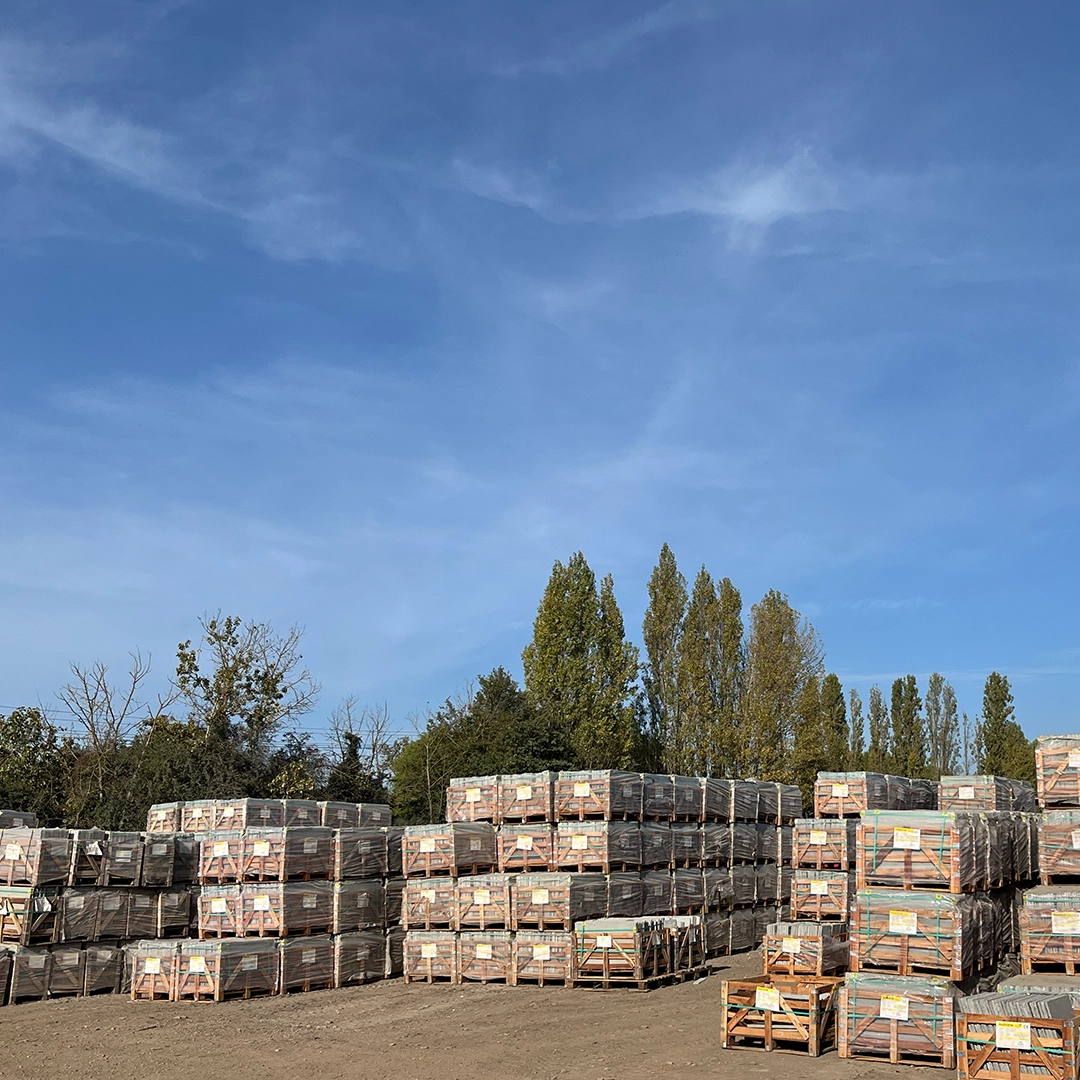
Natural stone slabs and porcelain tiles are palletised using methods appropriate to their weight and fragility. Load stability is achieved through secure strapping, wrapping materials that prevent movement during transport, and weight distribution that maintains pallet balance. Proper palletization reduces shifting during vehicle movement that could cause edge chipping, slab breakage, or pallet collapse.
Protection and Packaging
Materials receive protective packaging to reduce damage risk. Natural stone slabs are typically crated or wrapped in protective materials that prevent direct contact between slabs. Porcelain tiles are packaged in boxes and secured to pallets. Edge protection addresses the vulnerability of paving materials to chipping at corners and edges during handling and transport.
Product Identification and Order Verification
Before dispatch, orders are verified against customer order details to ensure correct products, quantities, and specifications. Product identification includes batch numbers for materials where batch consistency matters, particularly for projects requiring future matching or phased deliveries. Verification procedures reduce errors that would require return shipments and project delays.
Batch Consistency Checks
For orders requiring multiple pallets or materials from different production batches, batch consistency is assessed before dispatch when relevant to customer needs. For natural stone where colour variation occurs naturally, batches are checked to ensure variation remains within acceptable ranges. For porcelain products, batch numbers are documented to support future matching if customers require additional materials.
Order preparation standards reflect systematic processes designed to protect material integrity from warehouse to final delivery location
.webp)

Transport and Delivery Coordination
Deliveries are coordinated rather than dispatched randomly, recognising that paving materials require planning for safe receipt.
Scheduling and Customer Communication
Delivery scheduling is coordinated with customers or trade professionals to align with site readiness, project timelines, and customer availability. Advance communication about delivery timing allows customers to prepare for material receipt, arrange access if needed, and ensure someone is available to direct placement and inspect materials upon arrival.
For trade professionals managing project schedules, delivery timing coordination supports labour planning, equipment scheduling, and project workflow. Deliveries timed to arrive when installers are ready reduces site storage duration and protects materials from extended exposure or handling.
Access Considerations
Delivery coordination includes consideration of access constraints at delivery locations. Residential properties may have narrow driveways, restricted street access, or limited space for large delivery vehicles. Construction sites may have specific access times, vehicle size restrictions, or coordination requirements with other trades. Communication about access constraints before delivery helps avoid situations where materials cannot be delivered to planned locations or require additional handling to reach final placement areas.
Transport Vehicle Appropriateness
Nustone uses transport vehicles appropriate for heavy paving materials including vehicles equipped with tail lifts or other unloading equipment, capacity suitable for pallet weights and dimensions, and configurations that allow safe securing of loads during transport. Vehicle appropriateness matters for both transport safety and delivery capability at varied site types.
Delivery is coordinated logistics rather than standard courier shipping, reflecting the specialised requirements of heavy building materials.
.webp)
.webp)
Delivery to Residential Customers
Residential deliveries involve specific considerations based on site characteristics and customer capabilities.
Kerbside and Accessible Delivery Practices
Residential deliveries are typically made to kerbside or the nearest accessible location where delivery vehicles can safely reach. Drivers unload materials using tail lifts or manual handling equipment, placing pallets or materials in locations accessible from the delivery vehicle. Kerbside delivery means materials are placed at property boundaries or driveways rather than moved to final installation locations within properties.
This delivery approach reflects the weight and handling requirements of paving materials, which typically require lifting equipment or multiple people to move from delivery point to installation location. Customers are advised during order processes that kerbside delivery is standard and that they should plan for moving materials from delivery point to installation area.
Safety Considerations
Safety during residential delivery includes ensuring delivery areas are clear of obstructions, verifying that ground surfaces can support pallet weight without damage or sinking, and placing materials in positions that do not obstruct vehicular or pedestrian access. Drivers assess placement safety before unloading to avoid situations where materials create hazards or access problems.
Customer Preparation Guidance
Customers are advised to prepare for material receipt by ensuring delivery access is clear and available, planning for storage or protection of materials if installation will not occur immediately, arranging assistance for moving materials from delivery point to installation area if required, and being available to inspect materials upon delivery and note any concerns on delivery documentation.
Proper customer preparation reduces handling difficulties and protects materials between delivery and installation.
.webp)
Delivery to Trade and Professional Sites
Trade professional deliveries involve different coordination requirements based on construction site environments and project schedules.
Construction Site Coordination
Deliveries to active construction sites are coordinated with site managers or contractors to align with site access rules, traffic management, and safety requirements. Construction sites often have specific delivery windows, vehicle restrictions, or coordination needs with other trades or activities. Communication with site contacts ensures deliveries occur when sites can receive materials safely and efficiently.
Scheduling Around Labour and Machinery
Trade professionals schedule deliveries to align with labour availability and installation timelines. Deliveries timed to arrive when installation crews are ready reduces on-site storage duration and handling requirements. For projects using specialised installation equipment or machinery, delivery coordination ensures materials arrive when equipment is scheduled for use.
Bulk Order Handling
Large orders for commercial projects or multi-property developments may involve multiple pallets or delivery vehicles. Bulk order handling includes coordinating delivery logistics for high-volume orders, communicating about phased delivery timing if orders are split across multiple delivery dates, and ensuring site access can accommodate larger delivery vehicles or multiple simultaneous deliveries.
Repeat Deliveries for Phased Projects
Trade professionals working on phased projects or multiple properties may arrange repeat deliveries over extended periods. Logistics coordination for repeat deliveries includes maintaining communication about timing for subsequent phases, coordinating batch consistency when phased deliveries require matching materials, and supporting project scheduling through reliable delivery timing across multiple orders.
Trade delivery coordination recognises that professional project success depends on supply timing reliability.
.webp)
Handling of Heavy Materials
Paving materials involve significant weight and handling requirements that affect logistics throughout the delivery process.
Material Weight Characteristics
Natural stone slabs, porcelain tiles, and composite materials are substantially heavier than typical retail products. Individual stone slabs may weigh 20-40 kg or more depending on size and material type. Full pallets of paving materials can weigh several hundred kilograms to over a tonne. This weight requires appropriate equipment, vehicle capacity, and handling procedures throughout logistics processes.
Use of Lifting Equipment
Warehouse operations and delivery vehicles use lifting equipment appropriate to material weights including forklifts for pallet movement within warehouse facilities, tail lifts on delivery vehicles for lowering pallets from vehicle height to ground level, and pallet jacks or manual handling equipment for positioning materials at delivery locations. Proper lifting equipment reduces manual handling injury risk and protects materials from dropping or impact damage.
Importance of Correct Handling
Correct handling procedures matter because heavy materials can cause injury if lifted improperly or without appropriate equipment, dropped or impacted materials may break, chip, or crack, and improper stacking or load securing can cause instability during transport or storage. Handling procedures are designed to manage these risks throughout logistics processes.
Staff Training in Safe Handling
Warehouse and delivery staff receive training in safe handling of heavy materials including proper lifting techniques when manual handling is necessary, equipment operation for forklifts, pallet jacks, and tail lifts, and load securing and stability assessment. Training supports both personnel safety and material protection during logistics processes.
Material handling capabilities reflect the operational requirements of heavy building materials logistics.
.webp)
.webp)
Damage Prevention and Risk Management
Logistics processes include damage prevention measures recognizing that paving materials are susceptible to breakage and chipping.
Inspection Before Dispatch
Materials undergo inspection before dispatch as part of order preparation processes. Pre-dispatch inspection identifies damaged materials that should not be included in deliveries, verifies packaging integrity and load security, and ensures materials meet quality standards before leaving warehouse control. This inspection stage prevents damaged materials from reaching customers and reduces return shipments.
Secure Packaging and Load Securing
Packaging methods and load securing during transport are designed to prevent movement, impact, and stress that could damage materials. Packaging includes protective wrapping, edge protection, and separation between slabs or tiles to prevent direct contact. Load securing uses strapping, blocking, and positioning that maintains stability during vehicle movement, braking, and turning.
Damage Checks on Arrival
Customers and trade professionals are advised to inspect materials upon delivery and before acceptance. Arrival inspection includes checking packaging for obvious damage or compromise, examining visible materials for breakage, chips, or cracks, and verifying quantities against delivery documentation. Inspection upon arrival allows immediate identification of shipping damage while delivery personnel are present.
Reporting Damage
If damage is identified upon delivery, customers should note concerns on delivery documentation, photograph damaged materials and packaging, and contact Nustone's customer service team promptly with order details and damage documentation. Early reporting facilitates faster resolution through replacement, claims processes, or other appropriate responses. Damage noted after delivery personnel have departed is more difficult to attribute to shipping rather than post-delivery handling or storage.
Damage prevention and reporting processes manage the inherent risks of transporting heavy, fragile materials.
Communication and Delivery Support
Logistics reliability depends on clear communication throughout order processing, dispatch, and delivery stages.
Order Confirmation
After order placement, customers receive confirmation including order details, estimated delivery timeframes, and contact information for questions or coordination needs. Order confirmation provides documentation and establishes expectations about delivery timing.
Delivery Window Communication
Before delivery, customers are contacted with delivery window information indicating when materials will arrive. Delivery windows provide sufficient notice for customers to arrange access, availability, and site preparation. For trade professionals managing project schedules, delivery window communication supports coordination with labour, equipment, and other project elements.
Coordination Support
If delivery timing requires adjustment due to site constraints, project schedule changes, or other factors, customers can contact Nustone's customer service or logistics coordination team to discuss timing modifications. While specific delivery date guarantees may not be possible due to logistics complexity, coordination support helps align delivery timing with customer needs when feasible.
Customer Service Involvement
Customer service teams support logistics coordination by answering questions about delivery processes, helping coordinate timing for specific site requirements, addressing concerns about access constraints or special handling needs, and facilitating communication between customers and logistics operations. Customer service involvement provides a contact point for customers navigating delivery coordination.
Communication throughout logistics processes supports customer and trade professional confidence in delivery reliability.


How Logistics Reliability Supports Projects
Reliable logistics operations benefit both residential customers and trade professionals through improved project outcomes.
Benefits to Residential Customers
For homeowners undertaking paving projects, logistics reliability provides smoother project planning through predictable material arrival aligned with installer scheduling, reduced risk of project delays caused by material supply timing, materials arriving in good condition and ready for installation, and confidence that heavy materials will be delivered professionally to accessible locations.
Project planning is simplified when customers can rely on coordinated delivery timing and material condition, reducing stress and uncertainty during home improvement projects.
Benefits to Trade Professionals
For landscapers, contractors, and installers, logistics reliability provides ability to schedule labour confidently based on material arrival timing, fewer project disruptions caused by supply delays or damaged materials, consistency across multiple deliveries for ongoing business operations, and professional delivery coordination that supports site management and client satisfaction.
Trade professionals' business reputations depend partly on reliable material supply, as delays or quality issues affect their ability to complete client projects successfully. Logistics reliability from suppliers supports professional project execution.
Project Timeline Protection
For both residential and professional projects, logistics reliability protects project timelines by reducing delay risk from supply timing issues, minimising time spent handling damaged material returns or replacements, and supporting coordinated project scheduling where multiple elements depend on material availability.
Timeline protection matters particularly for projects with scheduled installation crews, seasonal timing considerations, or client commitments where delays affect satisfaction and costs.
.webp)