



.webp)





PAVING MEGA CLEARANCE: UP TO 42% OFF. READY STOCK, 48HR DELIVERY.
LEARN MORE
Driveway Paving Slabs
Driveway paving slabs must withstand significantly greater loads than patio paving. Vehicle weight, repeated traffic, and turning forces place demands on driveway surfaces that standard patio slabs are not designed to handle. Selecting the right driveway paving is essential for long-term performance.
Not all paving slabs are suitable for driveways. Driveway pavers must have adequate thickness, strength, and durability to support vehicles without cracking or movement. Our range includes stone setts, granite paving, and porcelain options specifically suited to driveway applications.
✅ Vehicle Load Capable
✅ Stone Setts, Granite and Porcelain Options
✅ Multiple Sizes and Colours
✅ Durable and Weather Resistant
✅ Suited to UK Conditions
.webp)
.webp)
.webp)
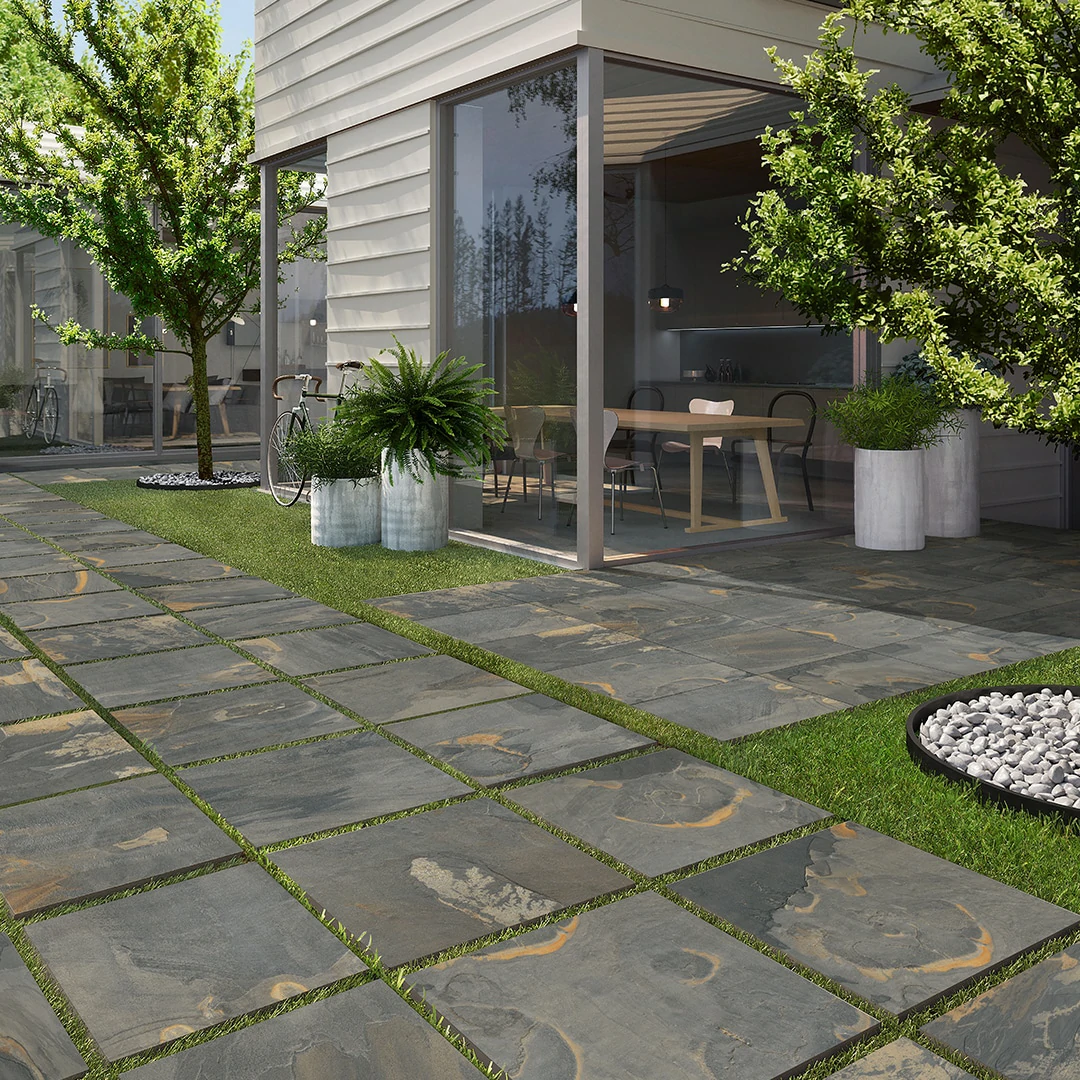
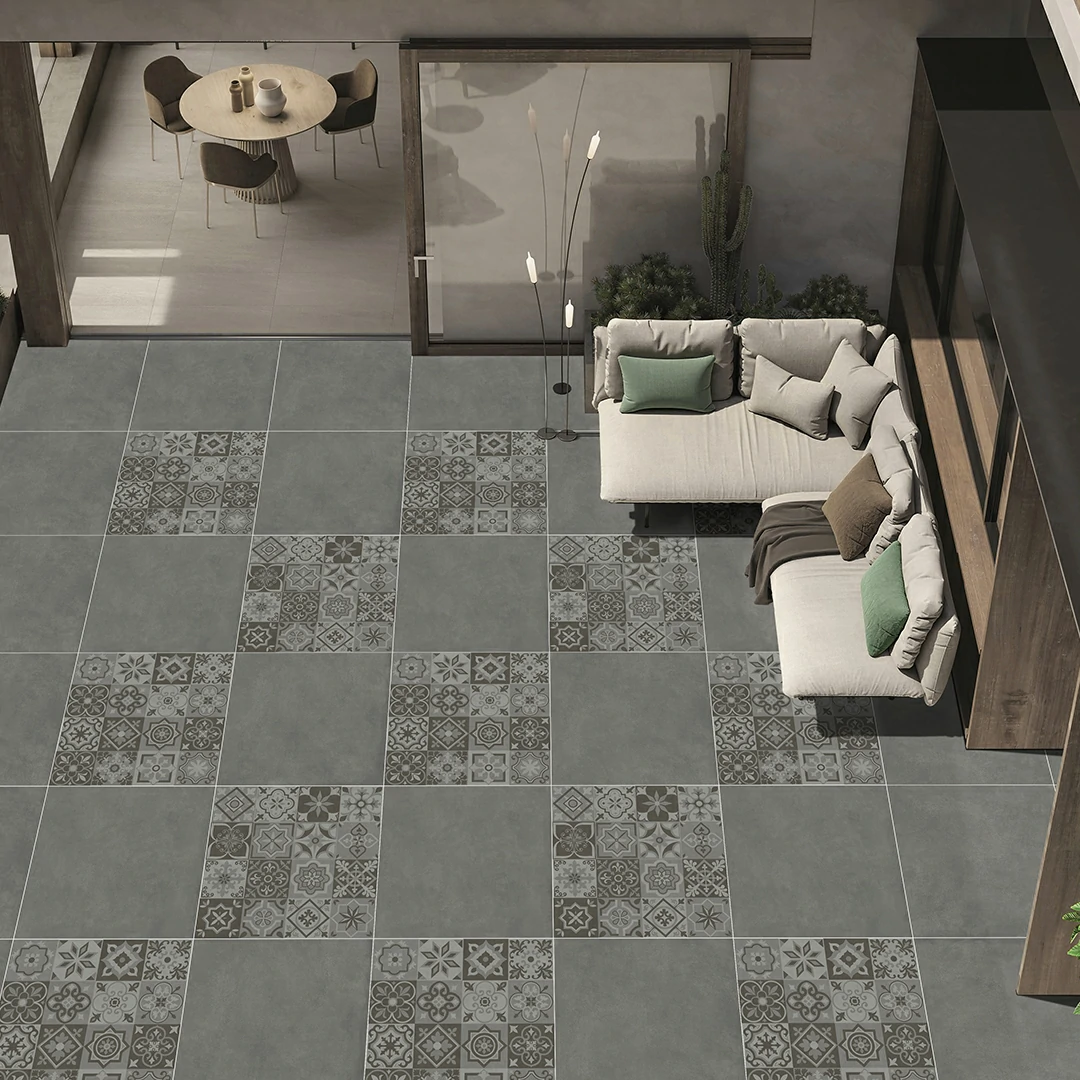
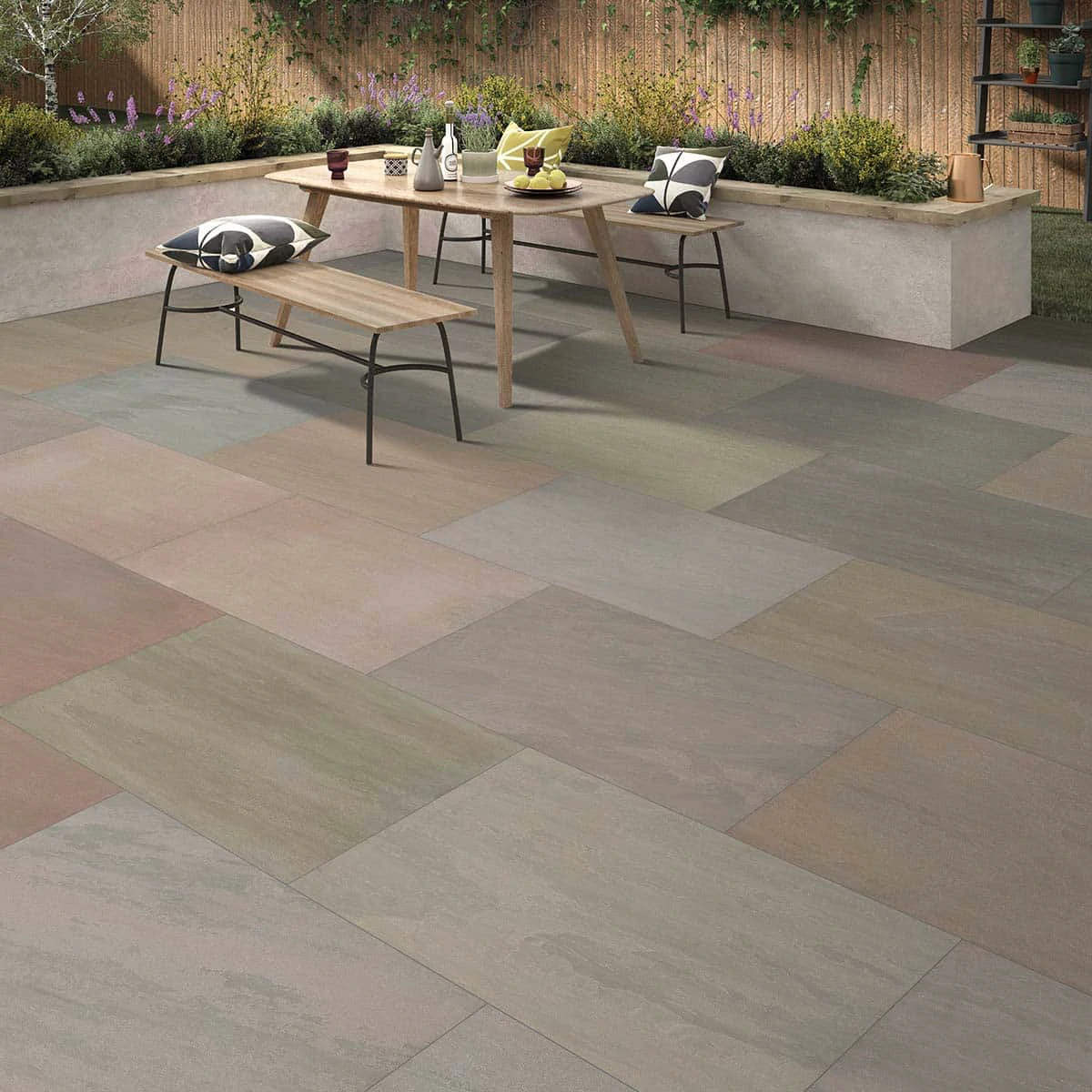
What Makes Driveway Paving Different
Driveway paving faces different demands than patio paving. Understanding these requirements helps you select appropriate materials.
Load-Bearing Requirements
Driveway slabs must support the weight of vehicles, which far exceeds foot traffic loads. A typical car weighs 1,500kg or more, concentrated on four small tyre contact points. The paving must distribute this load without cracking, and the structure beneath must prevent movement or settlement.
Vehicle Traffic vs Foot Traffic
Patio paving experiences only foot traffic. Driveway paving stones experience repeated vehicle passes, turning movements, and braking forces. These dynamic loads stress the paving surface differently than static pedestrian use. Materials and installation must account for these forces.
Importance of Base and Installation
Driveway paving requires a more substantial sub-base than patio applications. The base distributes vehicle loads and prevents settlement that would crack the surface. Even strong paving materials will fail on an inadequate base. Professional installation is recommended for driveways.
Best Types of Driveway Paving
Several paving types suit driveway applications, each with different characteristics and benefits.
Stone Setts
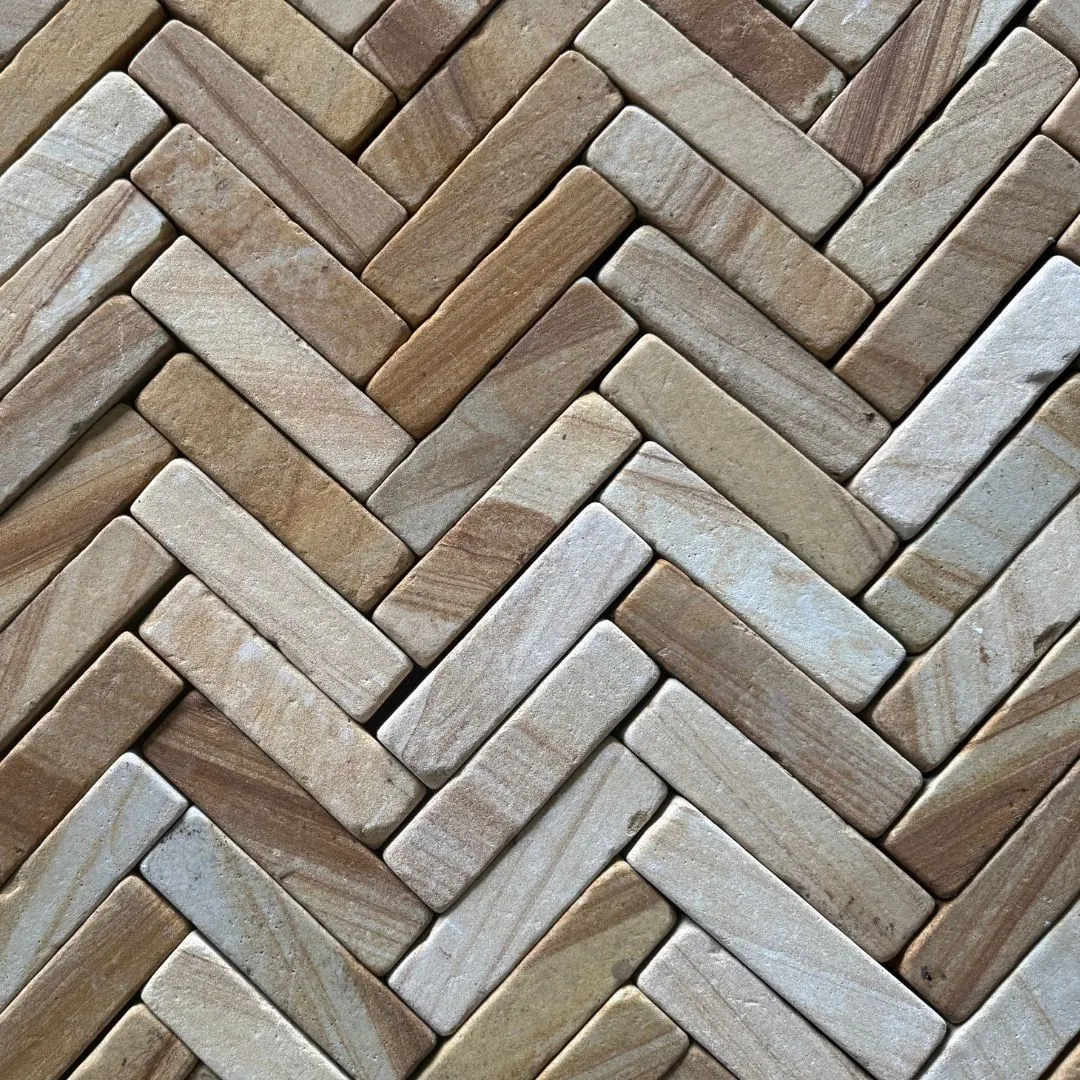
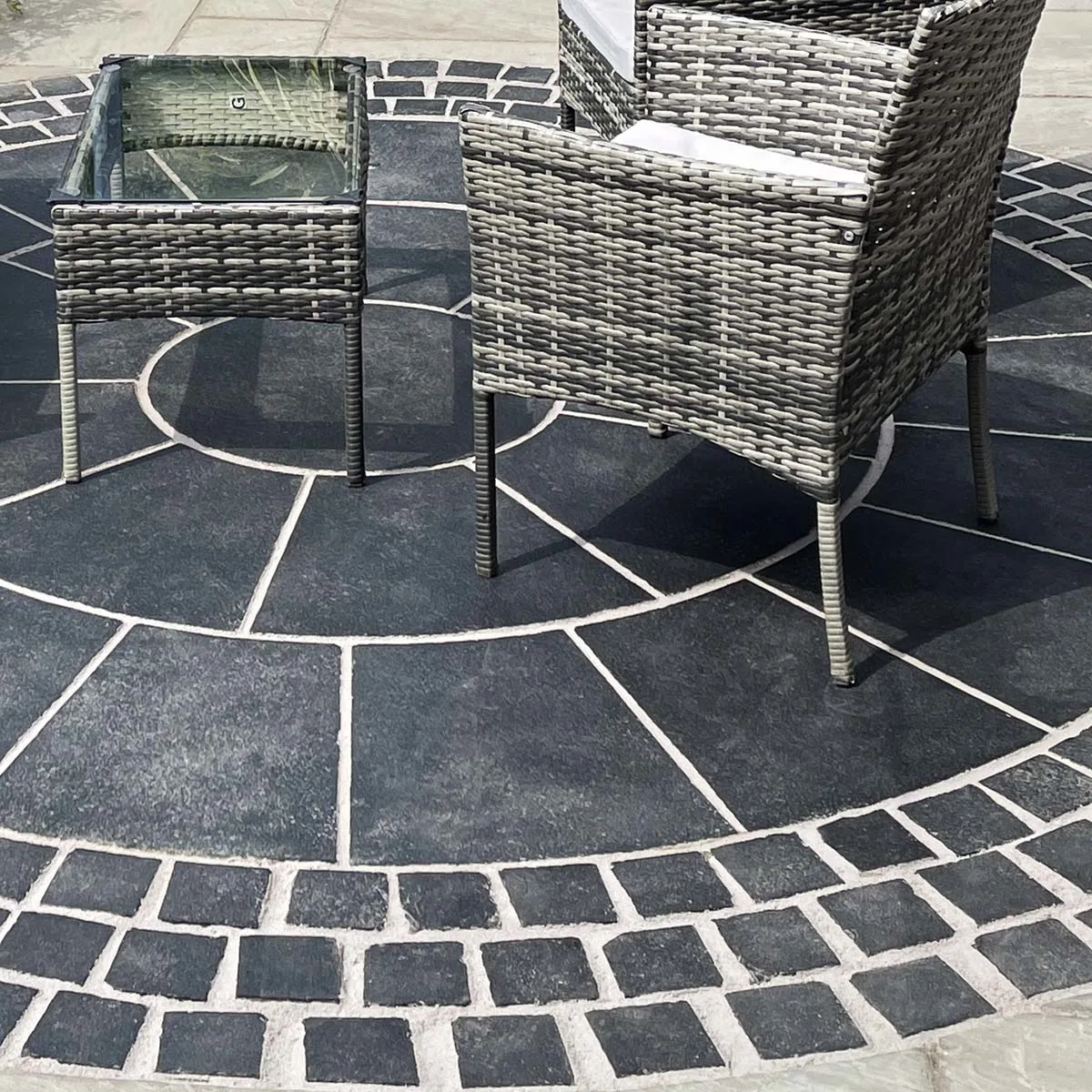
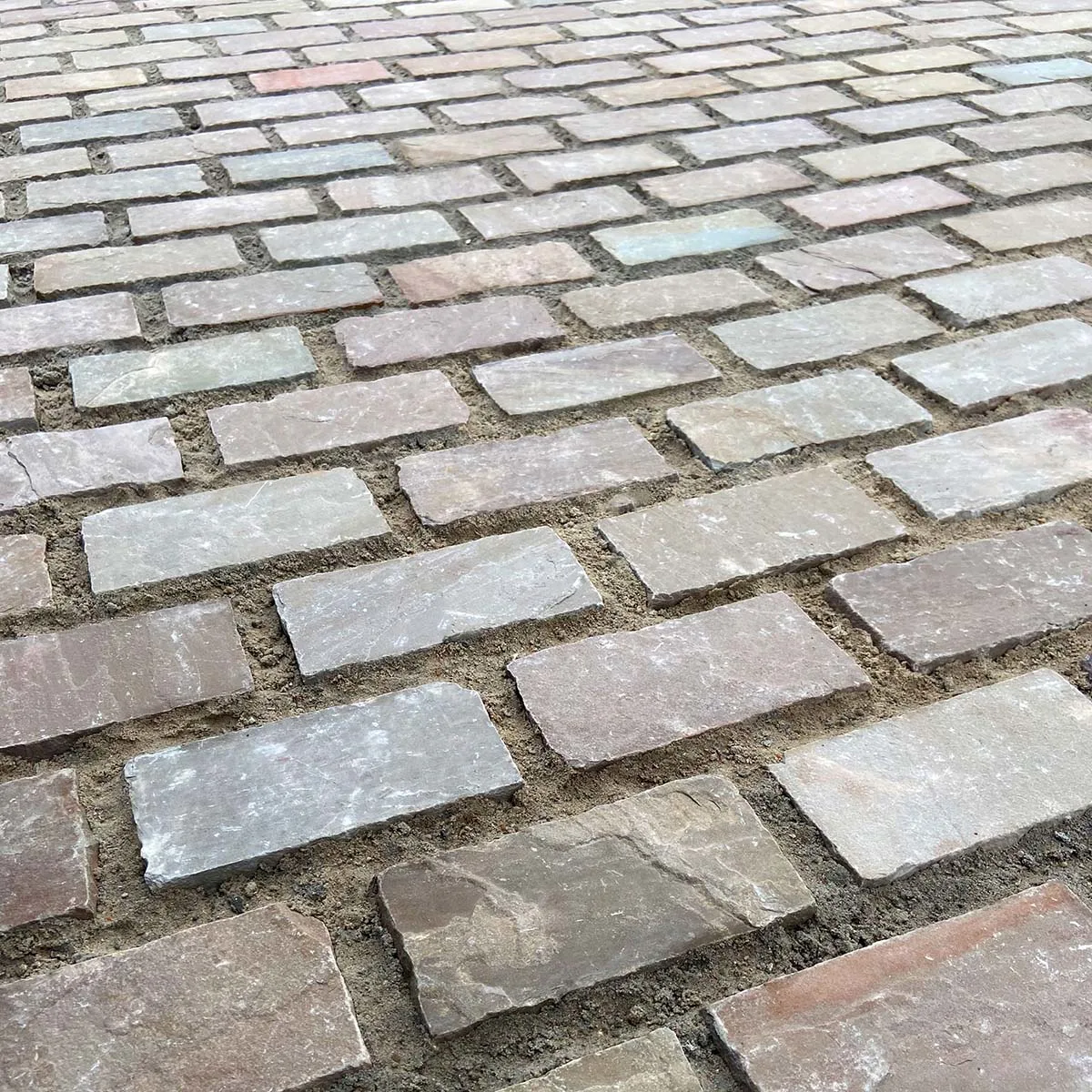
Stone setts are the traditional choice for block paving driveways. These small, robust natural stone units range from 30-60mm in thickness and handle vehicle loads effectively. The interlocking pattern distributes weight across multiple units, reducing stress on individual pieces.
Sandstone and granite setts are both available, offering different colour options. Setts suit both traditional and contemporary driveway designs. The block paving format allows for various laying patterns and accommodates curves and irregular shapes.
Granite Paving
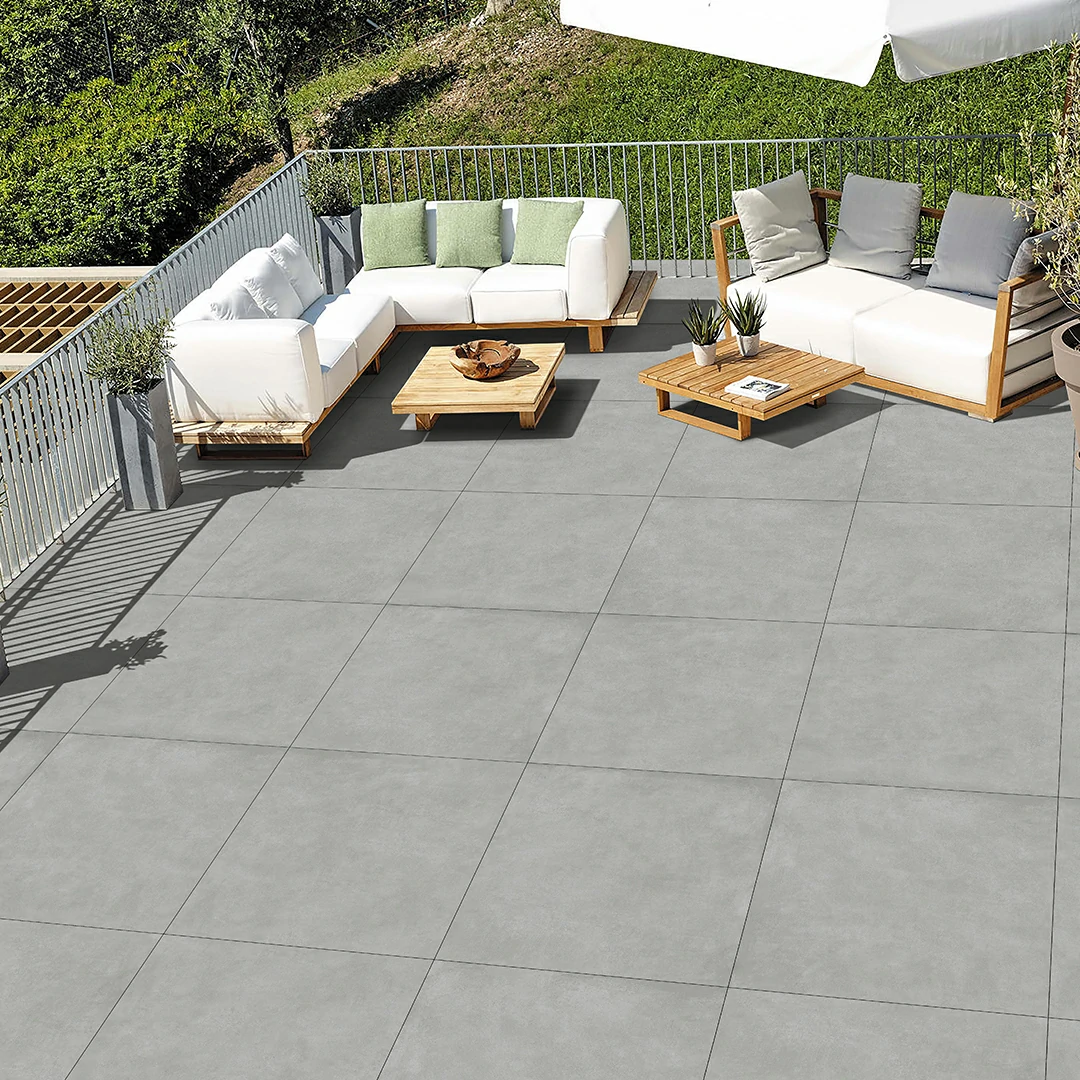
Granite is one of the strongest natural stone options for driveway stone pavers. Our 25mm granite paving provides the additional thickness needed for vehicle traffic. Granite's hardness resists wear from repeated vehicle passes, and the material handles heavy loads without damage.
The lightly flamed surface texture of granite paving adds grip, which is important for driveways where vehicles brake and turn. Granite suits those seeking a natural stone driveway with long-term durability.
Porcelain Paving
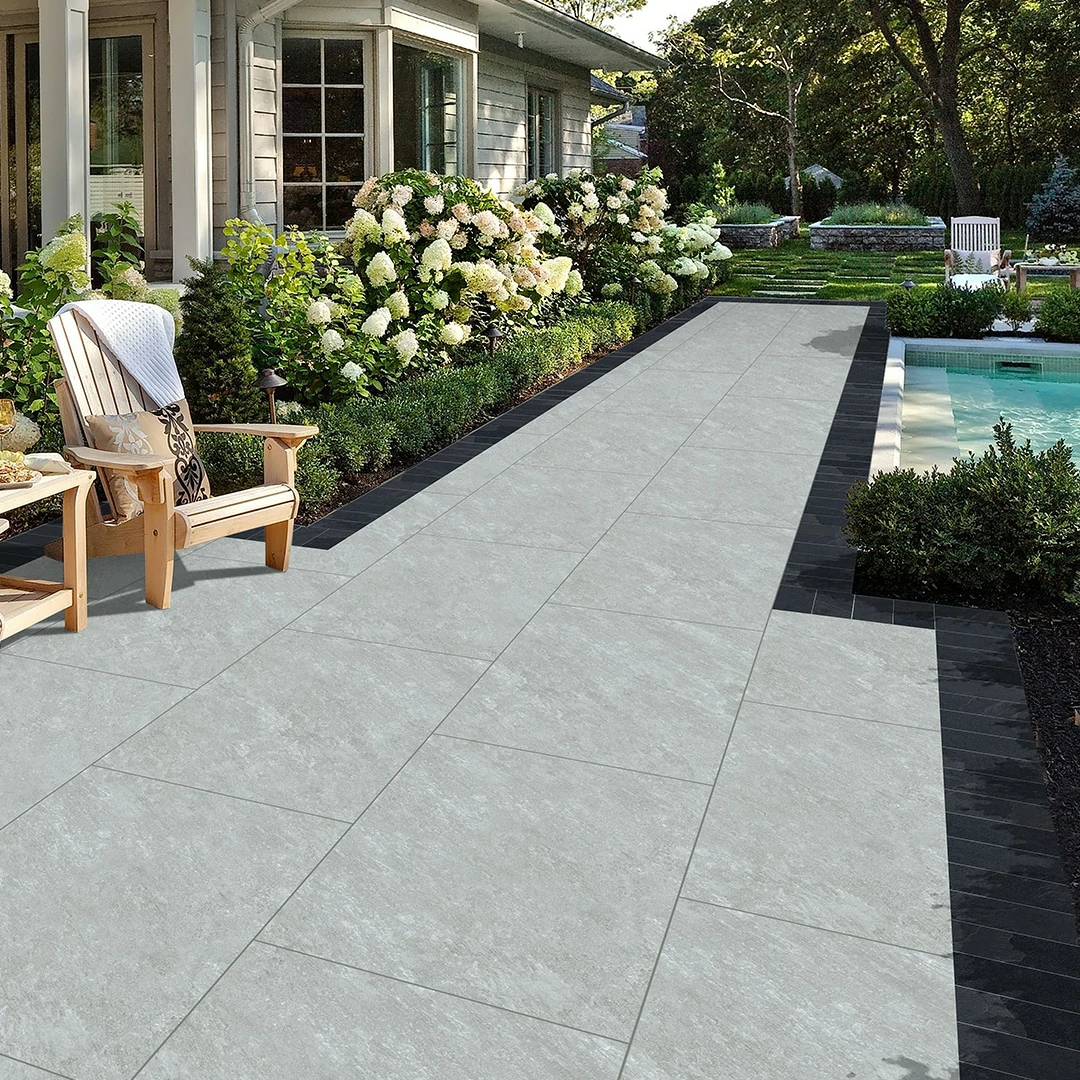
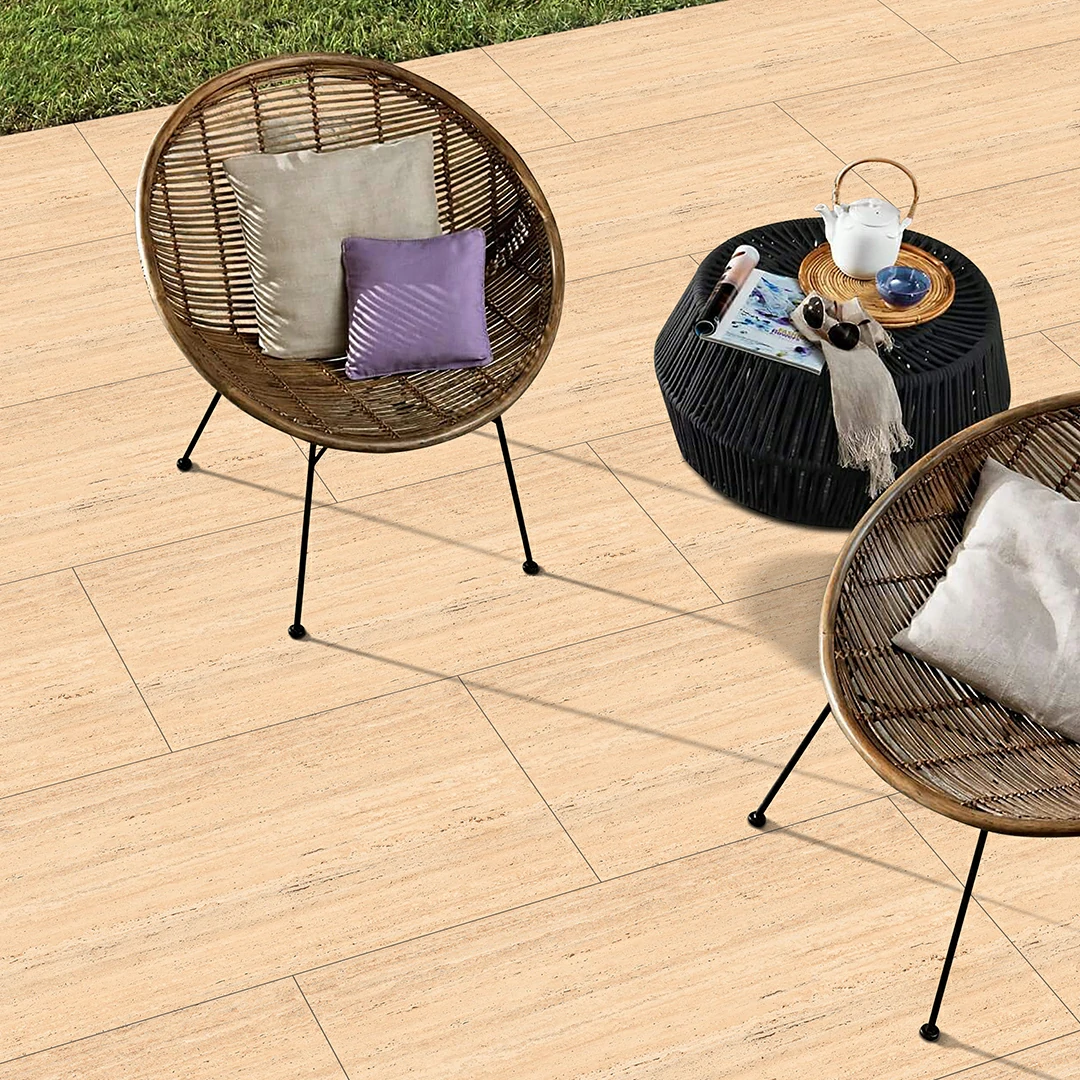
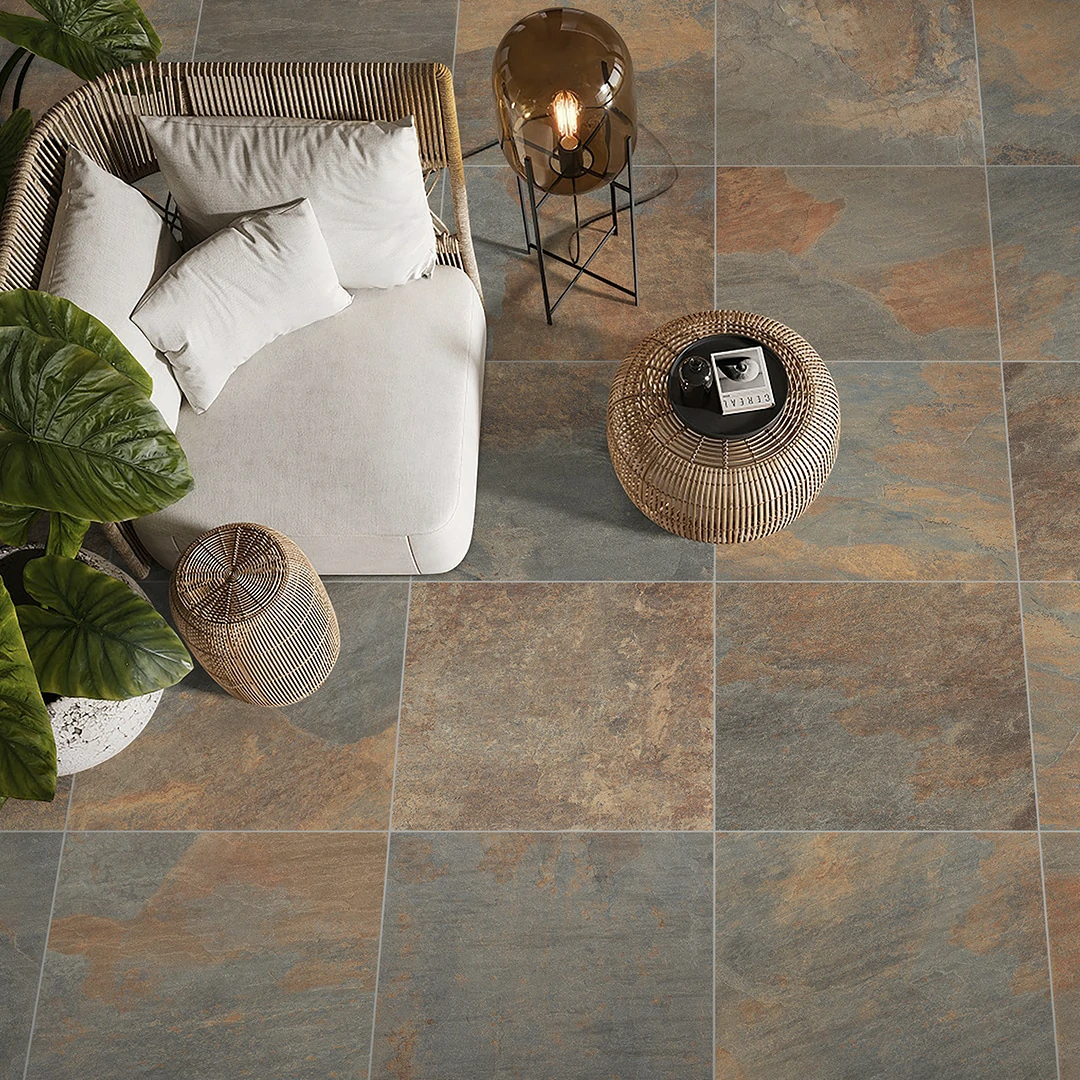
Porcelain paving offers a modern alternative for driveways. Despite being 20mm thick, porcelain is stronger than natural stone of equivalent thickness. The manufacturing process creates a dense, hard material that withstands vehicle weight without cracking.
Porcelain driveway paving slabs offer practical benefits including stain resistance, scratch resistance, and slip-resistant surfaces. The material requires minimal maintenance and retains its appearance over time. Porcelain suits contemporary driveway designs.
Thickness and Strength Requirements
Material thickness is a key consideration when selecting paving slabs for driveways.
Why Thickness Matters
Thicker paving distributes load more effectively and resists bending forces better than thin slabs. When a vehicle wheel passes over paving, the slab must bridge any slight irregularities in the base without flexing. Insufficient thickness leads to cracking under vehicle weight.
When Thicker Slabs Are Required
For natural stone driveways, 25mm thickness or greater is recommended. Stone setts at 30-60mm thickness are specifically designed for vehicular use. Larger format slabs require greater thickness to prevent breakage. The heavier the expected traffic, the more important adequate thickness becomes.
Risks of Thin Paving on Driveways
Standard 20-22mm patio paving can crack under vehicle loads, particularly if the base preparation is imperfect. While some landscapers use regular patio slabs on driveways with enhanced preparation, this increases risk. Using paving designed for vehicular use provides greater confidence in long-term performance.
Design Options
Driveway paving offers various design possibilities depending on the materials chosen.
Block Paving Patterns
Stone setts allow for traditional block paving patterns including herringbone, stretcher bond, and basket weave. Herringbone is particularly effective for driveways as the interlocking pattern resists movement under vehicle loads. The small unit size also accommodates curves and irregular boundaries.
Large Slab Modern Driveways
Large format driveway pavers create a contemporary appearance with fewer joints. Granite or porcelain slabs in sizes like 600x900mm suit modern architectural styles. The clean lines and minimal joints create a refined, sophisticated driveway appearance.
Mixed Layouts
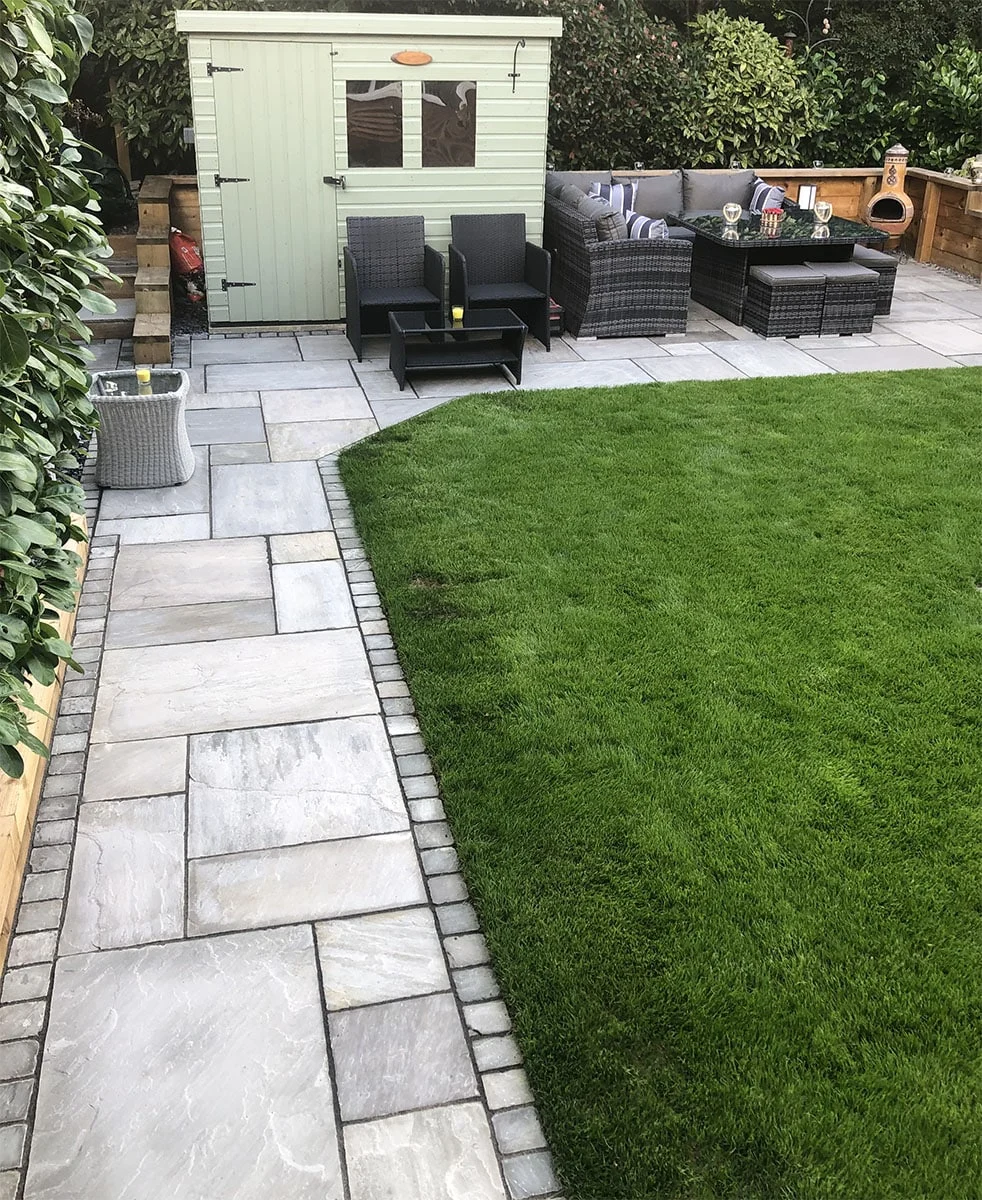
Combining different paving formats creates visual interest. Stone setts can border larger slabs, or different materials can define separate zones. Mixed layouts allow functional areas like parking spaces to be distinguished from access routes.
Practical Benefits
Properly specified driveway paving offers significant practical advantages.
Durability
Driveway paving stones in appropriate materials handle daily vehicle use without deterioration. Natural stone and porcelain are inherently hard-wearing. With correct installation, paved driveways maintain their structural integrity through years of regular use.
Long Lifespan
Quality driveway slabs last for decades. Stone setts on historic streets demonstrate the longevity possible with proper materials and installation. The initial investment in suitable paving provides long-term value compared to materials that require frequent replacement.
Weather Resistance
All our driveway paving options handle UK weather conditions. The materials are frost-resistant and perform reliably through seasonal temperature changes. Rain, ice, and summer heat do not compromise properly installed driveway paving.
Slip Resistance
Driveway surfaces must provide grip for both pedestrians and vehicles. Our paving options include textured surfaces that maintain traction when wet. Granite's flamed finish and porcelain's slip-resistant surface both provide appropriate grip for driveway use.
Installation Considerations
Correct installation is as important as material selection for driveway performance.
Sub-Base Importance
The sub-base beneath driveway paving must be deeper and more substantial than for patios. A typical driveway requires 150-200mm of compacted Type 1 or similar material. This depth distributes vehicle loads and prevents settlement that would crack surface paving.
Proper Preparation
Excavation must reach stable ground below topsoil. The sub-base must be properly compacted in layers. Drainage must be considered to prevent water accumulation beneath the paving. Shortcuts in preparation lead to problems that are expensive to remedy later.
Professional Installation Recommended
Driveway construction demands greater expertise than patio laying. The structural requirements, drainage considerations, and load calculations benefit from professional experience. We recommend using qualified landscapers or driveway contractors for driveway installations.
Choosing the Right Driveway Paving
Several factors influence the best choice of paving for driveways.
Traffic Level
Consider how frequently vehicles use the driveway and what types of vehicles. A single family car differs from multiple vehicles or occasional delivery trucks. Higher traffic levels favour more durable options like granite or stone setts.
Style Preference
Stone setts suit traditional properties and period homes. Large format granite or porcelain suits contemporary architecture. The driveway should complement both the property and surrounding garden design. Consider the overall aesthetic you want to achieve.
Practical Requirements
Consider maintenance expectations and practical priorities. Porcelain offers low maintenance and stain resistance. Natural stone develops character over time. Stone setts allow for easy repair of individual units if needed. Match the material to your practical requirements.
Natural Variation
Natural stone driveway paving features inherent variation that adds authentic character.
Each Piece Unique
Natural stone setts, granite, and sandstone all feature unique colour variation, tone, and natural markings. No two pieces are identical. This variation distinguishes natural stone from uniform manufactured alternatives and adds character to the finished driveway.
Colour Variation Expected
Expect variation in colour across batches of natural stone paving. Product images show representative examples, but specific pieces will differ. This variation creates visual interest across the driveway surface. Colours appear more vibrant when wet.
Why Choose Driveway Paving from Nustone
Our driveway paving range includes materials specifically suited to vehicle traffic.
✓ Stone setts, granite, and porcelain options
✓ Materials rated for vehicle loads
✓ Multiple colours and sizes
✓ Free sample service to assess materials
✓ Expert advice available
✓ UK-wide delivery with free delivery on qualifying orders