



.webp)



Material Science and Performance Knowledge at Nustone
Introduction to Material Performance Knowledge
Material performance knowledge in paving supply involves understanding how natural stone and porcelain materials behave under real-world outdoor conditions including weather exposure, traffic loads, surface wear, and long-term environmental effects. Nustone's operational involvement in natural stone processing and porcelain production control provides direct experience with material characteristics, performance properties, and factors affecting long-term durability and functionality.
This knowledge base derives from production oversight including raw material assessment, processing control, and quality management rather than from purchasing finished products through intermediaries without production visibility. Understanding material behaviour informs product specification, quality standards, customer guidance, and technical support provided to trade professionals and residential customers.
Material performance awareness addresses factors including geological variation in natural stone, engineered consistency in porcelain ceramics, water absorption and frost resistance properties, surface finish characteristics and slip resistance, dimensional control and calibration, load-bearing capacity considerations, batch consistency management, and long-term performance factors in UK outdoor conditions.
Natural Stone as a Geological Material
Natural stone paving materials are geological products formed through natural processes over extended geological timeframes, creating inherent variation and material characteristics that differ from manufactured products.
Geological Formation Processes
Sandstone forms from compacted sedimentary deposits including sand and mineral particles consolidated under pressure over geological periods. Limestone develops from calcium carbonate accumulation including marine organism remains compressed over time. Granite forms from cooled magma creating dense igneous rock with crystalline structure. Slate develops from metamorphic processes transforming sedimentary shale under heat and pressure.
Geological formation processes create material density, mineralogical composition, structural characteristics, and appearance properties that vary based on formation conditions, geological location, and mineral content. These formation factors affect material performance including strength, weather resistance, water absorption, and colour characteristics.
Inherent Geological Variation
Natural stone exhibits colour variation, texture differences, mineral distribution patterns, and structural characteristics that vary within geological formations and between different quarry locations. This variation is inherent to geological materials rather than representing manufacturing inconsistency or quality defects.
Geological variation means that individual stone slabs differ in appearance even when extracted from the same quarry area. Colour ranges from subtle tonal shifts to significant variation depending on stone type and geological characteristics. Texture may vary from consistent grain patterns to noticeable structural differences. Mineral inclusions, veining, and fossil marks occur naturally in some stone types.
Understanding geological variation is essential for setting appropriate customer expectations, managing batch selection, and explaining that variation within acceptable ranges represents normal stone characteristics rather than product defects.
Quarry Location and Material Characteristics
Stone characteristics vary between quarry locations even within the same general geological region. Different quarry areas may produce stone with distinct colour ranges, density properties, and structural characteristics despite being the same general stone type such as sandstone or limestone.
Quarry location awareness informs material sourcing decisions, consistency management across production periods, and understanding of why materials from different quarries may exhibit different characteristics even when categorised as the same stone type.
Variation and Geological Formation
Geological variation affects visual appearance, performance characteristics, and material behaviour in ways that differ from manufactured products.
Colour Variation Factors
Stone colour derives from mineral composition, iron oxide content, organic material presence, and geological formation conditions. Variation in these factors creates colour differences between individual slabs and between production batches extracted at different times or from different quarry areas.
Colour variation is not controllable through production processes as it reflects geological reality rather than manufacturing parameters. Processing methods including cutting, calibration, and surface finishing can affect apparent colour through surface texture and light reflection, but cannot eliminate underlying geological colour variation.
Acceptable Variation Ranges
Variation within natural stone is assessed as acceptable or excessive based on stone type norms, quarry characteristics, and industry standards rather than manufactured product tolerances. Sandstone typically exhibits wider colour variation than granite due to geological formation differences. Some stone types naturally include mineral veining or fossil marks as normal characteristics.
Acceptable variation represents the range within which geological materials from specific sources typically fall, recognising that geological materials cannot match manufactured product consistency. Variation beyond typical ranges for specific stone types may indicate material from different geological sources or processing issues requiring attention.
Visual Assessment and Batch Selection
Visual assessment during production and pre-shipment inspection evaluates whether materials fall within expected variation ranges for specific stone types and quarry sources. Batch selection coordinates materials with similar visual characteristics where projects require close visual matching, whilst recognising that perfect matching is not achievable with geological materials.
Visual assessment expertise develops through production experience and familiarity with normal variation ranges for different stone types and quarry sources, informing quality control decisions and customer guidance about variation expectations.
Density, Strength and Weather Resistance
Natural stone performance characteristics relate to geological formation processes, mineral composition, and structural properties.
Material Density
Stone density affects weight, strength, and weather resistance properties. Dense stones including granite typically exhibit lower porosity, higher compressive strength, and greater weather resistance than less dense sedimentary stones. Density varies between stone types and between individual slabs based on geological formation conditions.
Density influences handling requirements, substrate support considerations, and long-term durability in outdoor applications. Dense materials resist water absorption and freeze-thaw damage more effectively than porous materials, though suitability depends on complete project design including installation practices and substrate specification.
Compressive Strength
Compressive strength indicates stone's resistance to crushing forces from loads including pedestrian traffic, furniture weight, or vehicular traffic where applicable. Strength varies significantly between stone types with granite exhibiting higher compressive strength than sandstone or limestone.
Material performance must be considered alongside structural design and installation requirements determined by project professionals. Whilst stone compressive strength provides useful material property information, suitability assessment for specific applications depends on project design including substrate specification, thickness selection, and installation methods rather than material strength alone.
Weather Resistance and Frost Behaviour
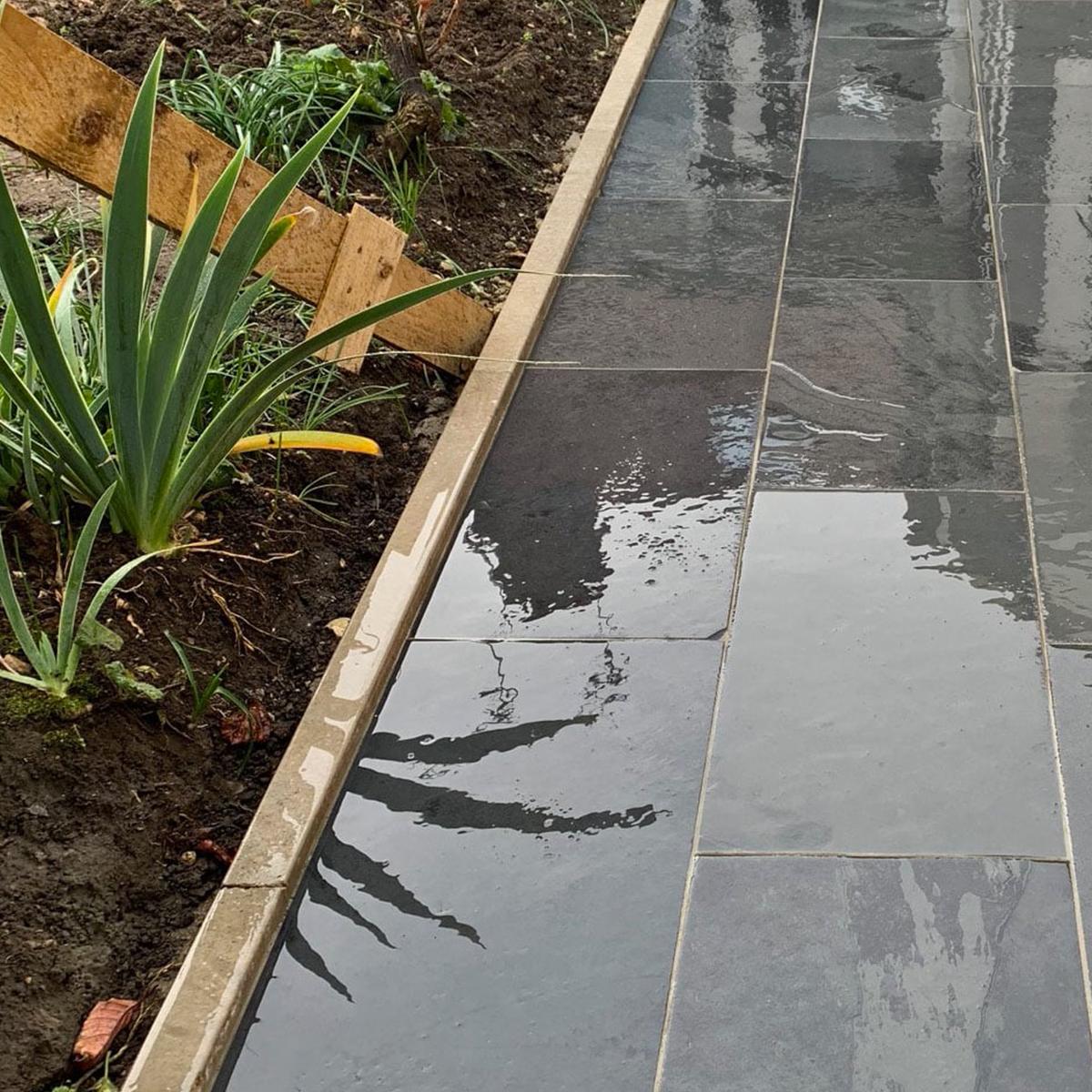
Weather resistance involves stone's ability to withstand outdoor exposure including moisture, temperature variation, freeze-thaw cycles, and UV exposure without significant degradation. Weather resistance relates to stone density, porosity, and mineralogical composition.
Frost resistance depends on water absorption properties and material density. Water absorbed into porous stone can freeze during cold periods, creating expansion forces that may cause surface spalling or structural damage over repeated freeze-thaw cycles. Dense, low-porosity stones resist frost damage more effectively than porous materials. However, frost resistance in actual installations depends on complete project design including substrate drainage and sealing considerations as determined by installation professionals.
.webp)
Porcelain as an Engineered Ceramic Material
Porcelain paving represents engineered ceramic material manufactured through controlled processes rather than geological extraction, creating different performance characteristics than natural stone.
Manufacturing Process and Material Properties
Porcelain production involves raw material composition specification including clays, feldspar, and silica, pressing processes creating dense material structure, high-temperature firing (1200-1400°C) creating ceramic vitrification, and controlled cooling producing finished material properties. Nustone specifies production parameters and quality standards for porcelain products, with manufacturing conducted to defined specifications and subject to quality control checks throughout production.
Manufacturing control creates consistent material properties including very low water absorption (typically below 0.5%), high density and compressive strength, uniform colour and surface characteristics within production batches, and predictable performance properties across production runs.
Engineered Consistency
Unlike natural stone where variation is inherent, porcelain production creates engineered consistency through controlled raw material composition, standardised manufacturing parameters, and quality control throughout production. Batch-to-batch variation exists but remains within much narrower tolerances than geological materials.
Engineered consistency supports closer visual matching for projects requiring uniform appearance, more predictable performance characteristics, and tighter dimensional tolerances than achievable with natural stone. However, porcelain represents manufactured aesthetic rather than natural geological appearance.
Ceramic Material Behaviour
Porcelain behaves as ceramic material rather than geological stone, affecting performance characteristics including very low water absorption preventing moisture-related issues, high resistance to frost damage due to low porosity, resistance to staining and chemical exposure, colour stability and UV resistance, and surface hardness affecting scratch resistance and wear characteristics.
Ceramic material properties provide performance advantages including frost resistance and low maintenance requirements, whilst creating different aesthetic appearance and thermal properties than natural stone. Porcelain surfaces may feel different underfoot and exhibit different thermal absorption than stone materials.
.webp)
.webp)
Water Absorption and Frost Behaviour
Water absorption properties affect frost resistance, staining susceptibility, and long-term durability of paving materials.
Water Absorption Measurement
Water absorption indicates material porosity and capacity to absorb moisture. Measurement involves weighing dry samples, submerging in water for specified periods, and calculating absorbed water as percentage of dry weight. Lower absorption percentages indicate denser, less porous materials.
Natural stone water absorption varies widely between stone types with granite typically exhibiting low absorption (below 1%), dense sandstone showing moderate absorption (2-6%), and porous limestone or sandstone potentially exceeding 6% absorption. Porcelain paving typically demonstrates very low absorption (below 0.5%) due to ceramic vitrification during firing.
Frost Resistance Relationship
Frost resistance relates directly to water absorption properties. Materials with high water absorption can retain moisture that freezes during cold periods, creating expansion forces within the material structure. Repeated freeze-thaw cycles may cause surface spalling, cracking, or structural degradation in porous materials retaining significant moisture.
Low water absorption materials including dense granite, slate, and porcelain resist frost damage through limited moisture retention. Materials with higher absorption require appropriate project design including substrate drainage and sealing considerations as determined by installation professionals and project specifications.
UK Climate Considerations
UK climate involves moderate freeze-thaw exposure compared to continental climates with more extreme temperature variation. Winter periods include freezing temperatures and thaw cycles, though sustained deep freezing is less common than in more severe climates.
UK outdoor paving experiences moisture exposure from rainfall, standing water where drainage is inadequate, and humidity. Materials with moderate water absorption can perform adequately in UK conditions when project design includes appropriate drainage, though very low absorption materials provide greater frost resistance margin.
.webp)
Surface Finishes and Slip Resistance Awareness
Surface finish affects appearance, tactile properties, and slip resistance characteristics relevant to safety and suitability for outdoor use.
Natural Stone Surface Finishes
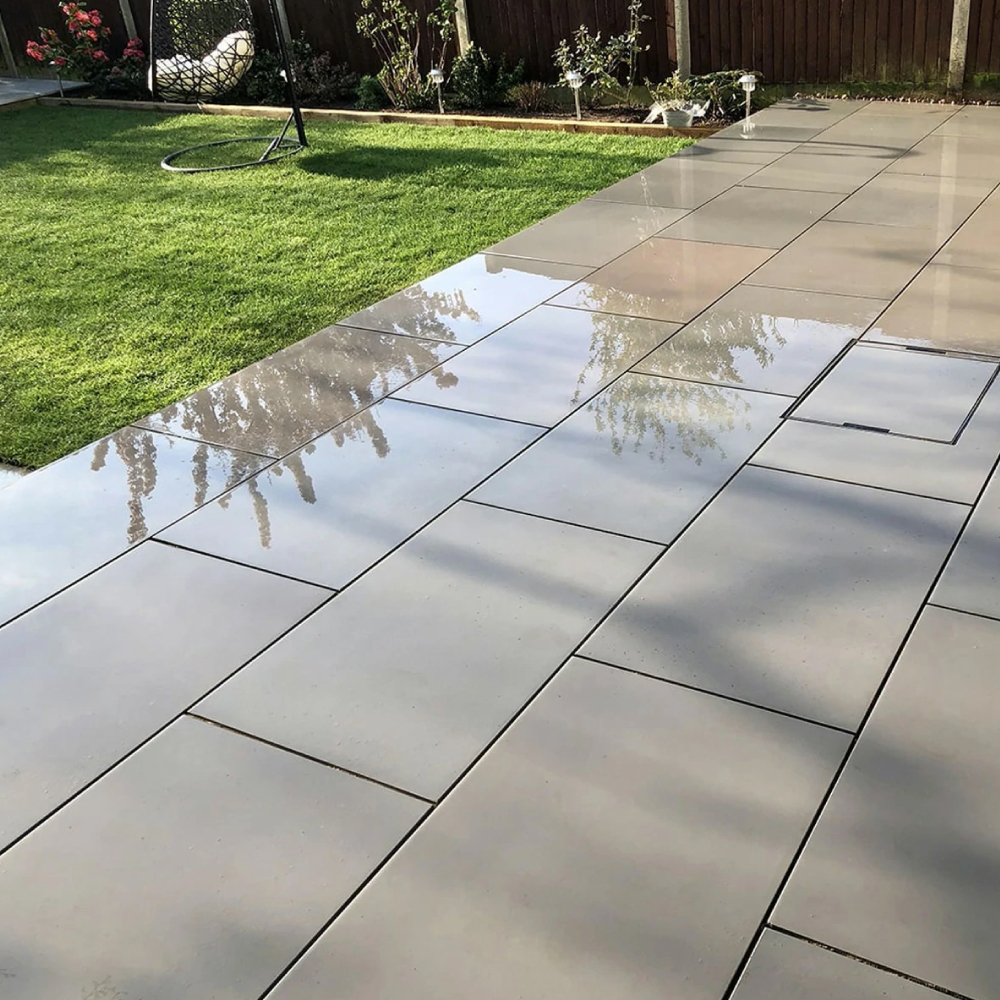
Natural stone finishing methods create different surface characteristics including riven surfaces maintaining natural stone texture from splitting processes, tumbled finishes creating aged appearance through mechanical tumbling, honed surfaces providing smooth finish through grinding without polishing, and sawn surfaces creating flat finish from cutting processes.
Surface finish affects slip resistance, visual appearance, and tactile properties. Textured surfaces including riven and tumbled finishes typically provide greater slip resistance than smooth finishes, particularly when wet. Surface finish selection should consider intended application, aesthetic preferences, and slip resistance considerations appropriate to the project.
Porcelain Surface Treatments
Porcelain surface characteristics are created during manufacturing through texturing during pressing processes, surface treatment creating grip characteristics, and finishing operations affecting final appearance. Porcelain for outdoor paving typically includes textured surfaces designed to provide slip resistance whilst maintaining appearance quality.
Manufacturers specify porcelain surface characteristics through descriptions of texture type, appearance properties, and intended use applications. Surface finish affects how porcelain performs in outdoor conditions and wet weather.
Slip Resistance Ratings
Slip resistance is measured through standardised testing creating ratings including R-ratings (R9-R13 scale used in Europe) indicating slip resistance levels, with higher numbers indicating greater slip resistance. Many outdoor pedestrian projects specify surfaces around R11 or higher, depending on location, use patterns, and risk assessment determined by project designers.
Slip resistance ratings provide guidance on surface suitability for different applications and conditions. However, slip resistance also depends on contamination including algae, moss, or debris accumulation, moisture and weather conditions, footwear characteristics, and surface maintenance. Project specifications for slip resistance should be determined by professionals assessing specific site conditions and safety requirements.
Surface Maintenance and Slip Performance
Slip resistance can decrease over time through algae or moss growth on surfaces retaining moisture, dirt and organic matter accumulation, surface wear in high-traffic areas, and sealant application affecting surface texture. Regular cleaning and maintenance preserves slip resistance properties, particularly for surfaces in shaded or damp locations prone to biological growth.
.webp)
.webp)
Standard Thickness Specifications
Material thickness and dimensional characteristics affect material behaviour, appearance consistency, and suitability considerations for different applications.
Standard Thickness Specifications
Natural stone paving is commonly specified in 22mm calibrated thickness for outdoor use, providing structural characteristics suitable for pedestrian applications whilst managing material weight and cost. Thicker materials (30mm or greater) may be specified for applications requiring enhanced strength characteristics or specific project requirements.
Porcelain paving for outdoor use is typically manufactured in 20mm thickness, engineered to provide material characteristics suitable for pedestrian traffic whilst reducing weight compared to natural stone. The 20mm thickness represents standard specification for outdoor porcelain products designed for pedestrian use.
Thickness affects material strength characteristics, weight, and suitability considerations. Project professionals determine appropriate thickness based on application requirements, expected loads, and project design parameters.
Calibration and Dimensional Tolerance
Calibration involves processing materials to achieve consistent thickness within specified tolerances. Calibrated materials facilitate installation by reducing lippage (height differences between adjacent units) and creating more uniform surface levels.
Natural stone calibration involves mechanical processing to achieve target thickness, though calibration tolerances (typically ±2-3mm) remain wider than porcelain manufacturing tolerances due to material hardness variation and processing limitations. Porcelain manufacturing creates tighter dimensional tolerances (typically ±1mm or less) through controlled production processes.
Dimensional consistency affects installation ease, final appearance, and requirements for adhesive bed thickness adjustment. Tighter tolerances reduce installation complexity and create more uniform surface appearance.
Dimensional Stability Over Time
Natural stone and porcelain exhibit high dimensional stability, maintaining thickness and size characteristics over time under normal outdoor conditions. Materials do not significantly expand, contract, or warp when properly installed, though thermal expansion occurs with temperature changes requiring appropriate jointing as determined by project design.
Dimensional stability depends on material properties, installation quality including substrate stability and jointing practices, and environmental exposure. Properly installed materials maintain dimensional characteristics throughout long service life.
.webp)
.webp)
Load and Traffic Considerations
Material properties relevant to load-bearing and traffic exposure should be considered alongside complete project design and structural requirements.
Pedestrian Traffic Applications
Residential patios and pathways experience pedestrian traffic including foot traffic, furniture placement, and occasional concentrated loads from heavy items. Standard thickness natural stone (22mm) and porcelain (20mm) materials are commonly used for pedestrian applications, though suitability depends on complete project specification including substrate design and installation methods determined by project professionals.
Vehicular Traffic Applications
Driveways and parking areas supporting vehicle loads involve different material behaviour considerations and typically specify materials with different thickness or structural characteristics than pedestrian applications. Vehicular applications may specify 30mm or thicker natural stone, reinforced substrates, and specific installation practices addressing load requirements.
Porcelain for vehicular use requires specification of products engineered for such applications rather than standard 20mm pedestrian products. Suitability assessment for vehicular applications must consider manufacturer specifications, material properties, and project design parameters determined by professionals managing structural requirements.
Point Loading and Concentrated Loads
Paving materials experience point loading from furniture legs, concentrated weight from heavy items, and impact loads from dropped objects. Material strength characteristics, thickness, and substrate support affect resistance to point loading and cracking.
Material suitability must be considered alongside complete project design including substrate preparation, adhesive or mortar bed specification, and support continuity as determined by installation professionals. Material properties represent one component of overall project performance rather than sole determinants of outcomes.
Batch Consistency and Visual Matching
Batch management affects visual consistency particularly for projects requiring material matching across installations or time periods.
Natural Stone Batch Variation
Natural stone batches represent materials extracted and processed during specific time periods from particular quarry areas. Batch variation occurs due to geological differences within quarry formations, processing timing and methods, and seasonal or production period factors.
Batch numbers identify materials from specific production periods. Materials from the same batch typically exhibit closer visual similarity than materials from different batches, though geological variation exists within batches. Batch consistency cannot match manufactured product uniformity due to geological material realities.
Porcelain Batch Consistency
Porcelain production batches represent materials manufactured during specific production runs with consistent raw material composition and manufacturing parameters. Porcelain batch consistency is significantly tighter than natural stone due to manufacturing control, though minor batch-to-batch variation may occur.
Batch numbers on porcelain products identify production runs and support matching for projects requiring consistency. Porcelain batch matching typically achieves close visual consistency, though ordering materials from single batches when possible provides greatest matching certainty.
Matching for Phased Projects
Projects installed in phases or requiring future material additions face matching challenges. Natural stone matching across time periods is difficult due to geological variation and quarry area changes. Porcelain matching is more achievable if products remain in production, though discontinued products cannot be matched.
Batch information recorded during initial installations supports matching attempts for future additions. However, perfect matching cannot be guaranteed, particularly for natural stone. Trade professionals managing phased projects should anticipate matching limitations and plan installations accordingly.
.webp)
Environmental Exposure Factors in the UK
UK environmental conditions affect paving material performance and long-term appearance.
Moisture and Rainfall
UK climate involves significant rainfall and moisture exposure affecting paving through water absorption in porous materials, standing water where drainage is inadequate, moisture retention supporting biological growth, and wet surface conditions affecting slip resistance.
Materials with low water absorption resist moisture-related issues including staining, biological growth, and frost damage more effectively than porous materials. Project design including drainage provisions affects moisture exposure regardless of material properties.
Freeze-Thaw Cycles
UK winter conditions include periods below freezing followed by thaw periods creating freeze-thaw cycles that affect materials retaining moisture. Freeze-thaw exposure is moderate compared to continental climates but sufficient to cause damage in vulnerable materials over time.
Frost-resistant materials including dense natural stone and porcelain withstand UK freeze-thaw conditions when project design includes appropriate drainage and substrate specification. Materials with higher water absorption face greater frost damage risk, though proper project design reduces risk.
Biological Growth
UK climate conditions support biological growth including algae, moss, and lichen on outdoor surfaces, particularly in shaded or damp locations. Biological growth affects appearance, can increase slip risk, and may retain moisture against material surfaces.
Textured surfaces retain moisture supporting biological growth more than smooth surfaces. Regular cleaning reduces biological accumulation. Material selection cannot eliminate biological growth potential in damp UK conditions, making maintenance practices important for appearance and slip resistance preservation.
UV Exposure and Weathering
Natural stone colour may mellow or lighten over time through UV exposure and weathering, particularly for materials with organic content or iron oxides. Colour change is gradual and varies by stone type. Porcelain resists UV-related colour change due to ceramic material stability.
Weathering creates patina on natural stone over extended periods, representing normal ageing rather than material degradation. Some customers appreciate weathered appearance whilst others prefer maintained original appearance through cleaning and sealing.
Thermal Movement
Both natural stone and porcelain experience minor thermal expansion and contraction with temperature changes in response to seasonal variation and daily temperature cycles. Thermal movement is typically small but occurs across all paving materials exposed to outdoor temperature variation.
Construction design typically accounts for thermal movement through jointing specifications and expansion gap provisions appropriate to material type, installation area, and expected temperature ranges. Thermal movement characteristics represent normal material behaviour rather than defects or performance issues. Project professionals determine appropriate accommodation of thermal movement through design and installation specifications.
Handling Sensitivities of Heavy Paving Materials
Paving materials exhibit handling sensitivities affecting damage risk during transport, storage, and installation.
Edge and Corner Vulnerability
Stone slabs and porcelain tiles are vulnerable to edge and corner damage from impact, dropping, or contact with hard surfaces. Edge chips and corner breaks occur readily when materials are mishandled or stored without edge protection.
Careful handling during all stages including production, transport, delivery, and installation reduces edge damage risk. Protective packaging, controlled movement, and proper storage practices protect edges and corners from damage.
Surface Scratch and Scuff Risk
Material surfaces can be scratched or scuffed through contact with hard objects, dragging materials across rough surfaces, or stacking materials without protective separation. Surface damage affects appearance and may be difficult or impossible to repair depending on severity and material type.
Handling practices including using protective materials between stacked units, avoiding dragging materials, and preventing contact with abrasive surfaces reduce surface damage risk.
Impact and Breakage
Materials can break or crack from being dropped, impacted during handling, or subjected to excessive stress during movement. Breakage risk increases with larger slab sizes, thinner materials, and inadequate support during handling.
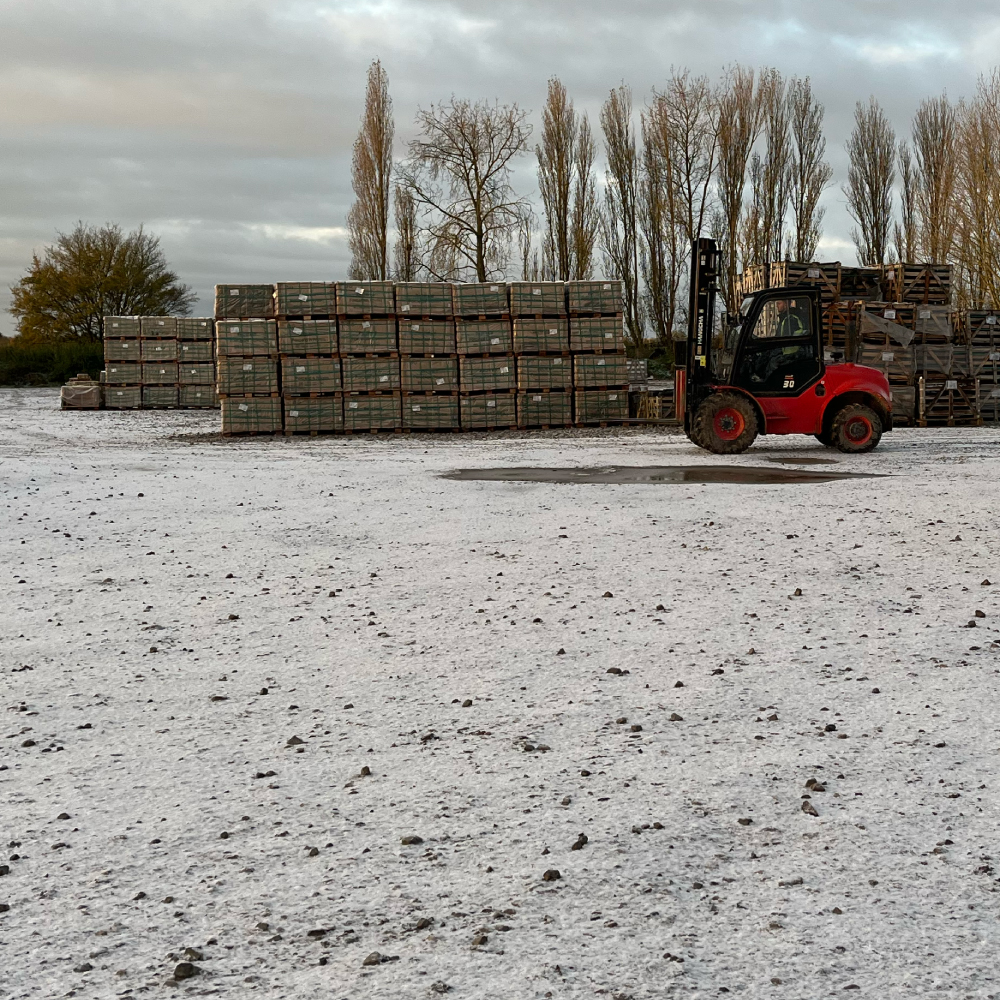
Use of appropriate lifting equipment, controlled movement, and support across material surfaces during handling reduces breakage risk. Despite careful handling, some breakage is inherent to working with fragile heavy materials, informing allowance calculations for project material quantities.
Role of Material Knowledge in Supply Operations
Material performance knowledge informs operational decisions, quality standards, customer guidance, and technical support.
Production Quality Standards
Understanding material characteristics informs quality control standards including acceptable geological variation ranges for natural stone, dimensional tolerance specifications, surface finish quality requirements, and identification of processing defects versus natural characteristics.
Production oversight experience develops knowledge of what represents normal material characteristics versus quality issues requiring correction or rejection.
Customer Guidance and Expectation Management
Material knowledge supports customer guidance about geological variation in natural stone, material behaviour characteristics relevant to different applications and conditions, realistic expectations about batch consistency and matching potential, and understanding of material characteristics affecting long-term performance.
Accurate customer guidance reduces misunderstandings, supports appropriate material selection, and sets realistic expectations about material behaviour.
Technical Support for Trade Professionals
Trade professionals benefit from technical guidance about material properties relevant to project planning, information about material behaviour characteristics, batch consistency information for phased projects, and performance characteristics that may affect project outcomes.
Technical support based on production knowledge and material experience provides information to professional customers managing complex projects with specific material performance considerations.
Limitations of Material Performance Control
Material knowledge includes understanding factors beyond supplier control affecting performance outcomes.
Installation Quality and Project Design Primacy
Material performance in actual installations depends primarily on complete project design and installation quality including substrate preparation and compaction, adhesive or mortar bed application, jointing and drainage provisions, and compliance with installation best practices. Even high-quality materials fail when poorly installed, whilst proper installation supports successful performance of appropriately specified materials.
Suppliers provide materials meeting specifications but cannot control installation quality or project design decisions, making these factors the primary determinants of project outcomes.
Environmental Conditions Beyond Control
Material performance is affected by environmental exposure including microclimate conditions at installation sites, drainage and moisture conditions, shade and sun exposure patterns, and maintenance practices. Suppliers cannot control site conditions affecting how materials weather and perform over time.
Natural Material Unpredictability
Natural stone is geological material with inherent unpredictability in exact appearance, performance variation between individual slabs, and weathering behaviour over time. Complete control and prediction of natural material characteristics is not achievable despite production oversight and quality management.
Understanding natural material limitations is essential for realistic expectation setting and appropriate guidance rather than guaranteeing specific performance outcomes.
.webp)